
What happens if my home doesn’t sell?
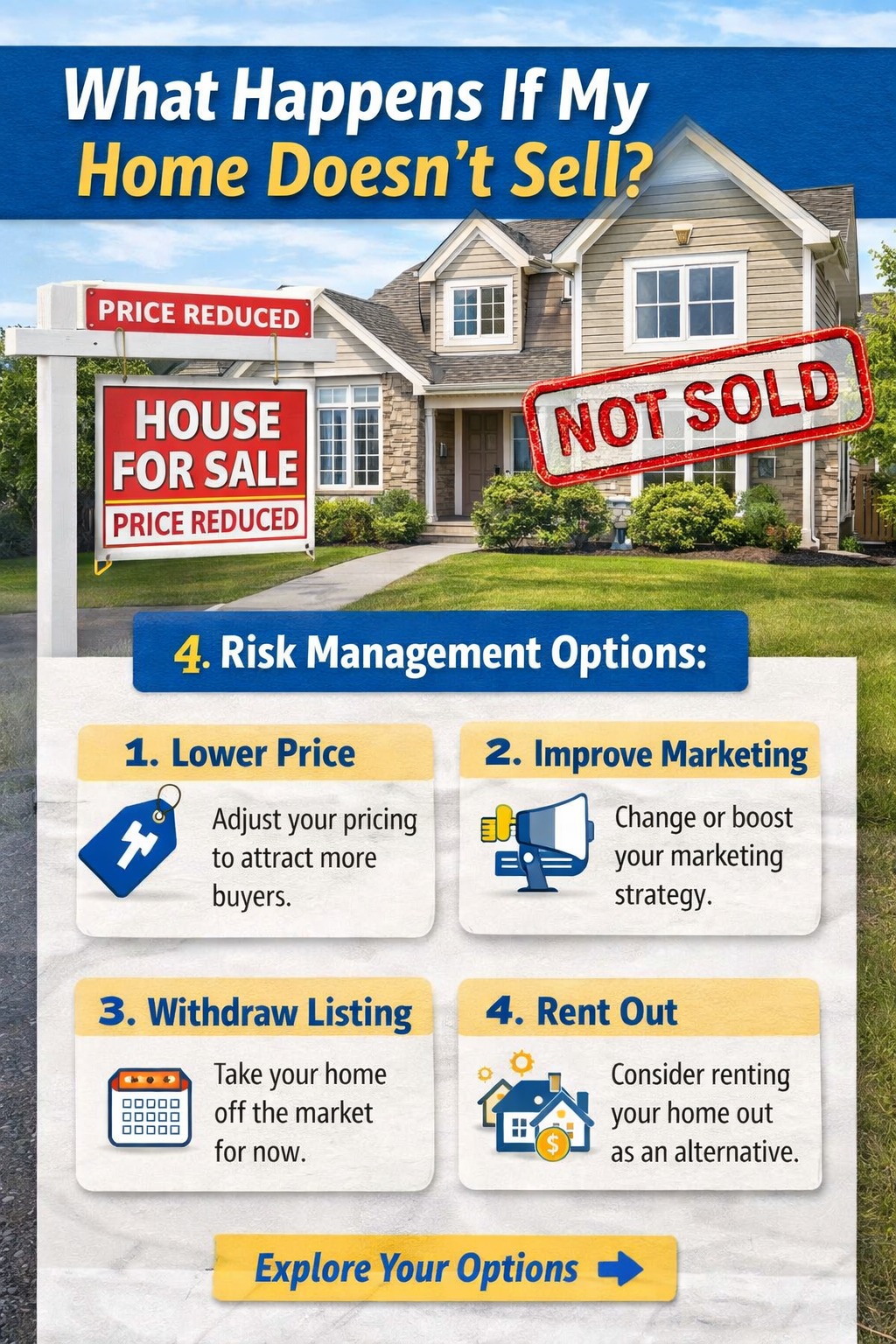
Visual guide outlining seller options if a home doesn’t sell in Arlington Heights, Illinois.
TLDR
- Unsold listings usually need pricing, presentation, or exposure adjustments to regain momentum.
- In Arlington Heights, median days on market vary 13 to 59 days seasonally.
- A relaunch plan can reposition your home and protect your timeline and equity.
- Bridge loans, HELOCs, or rent-backs can solve move timing without fire-sale pricing.
What does “not selling” really mean in Arlington Heights?
When a listing sits without acceptable offers, it signals a mismatch between price, condition, marketing, or timing. In Arlington Heights Real Estate, most well-prepared homes near Downtown and the Metra attract activity quickly. Local MLS snapshots from late 2025 show many properties moving to pending within two to four weeks, with a median around the high 20s in days on market, though some segments take longer.
The bigger picture matters. Typical home values locally hovered near the mid to high $400s by year end 2025, up roughly 6 percent year over year. Inventory tightened about 15 percent in fall, and the sale to list price ratio hovered near 100 percent. That means buyers will pay market price for well-positioned homes, yet overpricing still stalls results according to the Median owner-occupied home value.
Here is how I define it as Mike Zapart:
- A listing that misses buyer expectations on price, presentation, or both
- A marketing plan that underexposes the home to its true buyer pool
- A timeline clash that ignores seasonal rhythms and financing realities
How does the current market shape your options if it does not sell?
Even in a solid market, the path from list to close is rarely linear. Arlington Heights had roughly 166 active listings during peak fall months, with tight supply supporting values. Yet average days on market ranged widely, from about two weeks for pristine homes to nearly two months for unique floor plans or homes that need updates. That variability is normal and manageable with the right adjustments.
Context helps. Cook County households in Arlington Heights show strong fundamentals, including a median household income above $118,000 and an average commute near 28 minutes, supported by Metra’s Union Pacific Northwest line to Ogilvie. You can confirm the community profile directly from the U.S. Census Bureau QuickFacts. Nationwide, prices have remained resilient according to the FHFA House Price Index, and buyer demand continues to track income, mortgage rates, and supply, as reflected in NAR market statistics.
What local data says today
If your home is lingering, it is typically one of three issues. First, pricing versus nearby comps. Second, condition relative to alternatives buyers toured. Third, visibility to the correct buyer segment. In late 2025, many well-prepared Arlington Heights homes met the market within the first 14 to 27 days. Listings beyond 45 to 60 days often benefited from re-staging, new photography, and a tight price realignment.
Which neighborhood strategies work best near Downtown and beyond?
Your micro-market matters. Near my office at 11 S Evergreen Ave, Downtown Arlington Heights offers walkability, dining, and the Metra, which deepens buyer demand. Farther north and west, larger lots and newer homes attract move-up buyers who compare school ratings, yard size, and commute trade-offs.
- Downtown Arlington Heights
– Details – Walk-to-train condos and townhomes move fastest when professionally staged and priced within a 2 to 3 percent band of nearby closings. Weekend open houses and twilight showings help. – Watchouts – HOA policies, parking availability, and assessment levels affect buyer affordability. Clear disclosures and recent building updates reduce friction. – Typical timeline – 2 to 4 weeks to secure a strong offer if marketed precisely, with 30 to 45 days to close.
- Terramere and Ivy Hill
– Details – Larger single-family homes with strong school appeal draw families. Light updates to kitchens, baths, and lighting often unlock higher offers. – Watchouts – Overpricing updates that buyers cannot see during showings delays activity. Pre-inspections tackle minor issues before they derail a deal. – Entry-level path – Aim for peak visibility in the first 10 days, price within the appraiser-supported range, and expect 3 to 6 weeks to contract in typical conditions.
What are the pros and cons of waiting, renting, or re-pricing?
Pros:
- Strategic price improvement can recapture top-of-market traffic within days
- Temporary rental or rent-back preserves ownership until rates or inventory shift
- Cosmetic refresh and professional staging increase perceived value and buyer confidence
Cons:
- Waiting without a defined plan risks staleness and lowball offers
- Renting introduces tenant risk, holding costs, and potential timing conflicts
- Sharp price cuts without market data can leave money on the table
How do I relaunch for results and protect my timeline?
When a home does not sell, we reboot with purpose. I audit the pricing strategy, photography, staging, copywriting, and syndication reach. Then I create a tight two-week campaign that reintroduces the property to buyers who missed it the first round. We schedule broker tours, precision-targeted digital ads, and fresh open house windows that align with weekend traffic patterns and Metra schedules.
Cost ranges to consider in Arlington Heights:
- Pre-listing inspection: 300 to 500 dollars to neutralize surprise objections
- Light handyman, paint, lighting: 1,000 to 3,000 dollars for biggest visual lift
- Deep clean and landscaping spruce-up: 300 to 800 dollars
- Professional staging or partial stage: 1,500 to 3,500 dollars depending on size
- Photography, floor plans, video, and 3D: 350 to 800 dollars
One of my clients near Pioneer Park initially listed without staging and landed only sporadic showings. We paused, added warm LED lighting, a neutral paint package, and fresh photography. We adjusted price by 1.5 percent to fit recent comps, held a Thursday twilight showing, and received two strong offers by Monday.
Another client in Terramere needed to align a home sale with a new construction purchase. We negotiated a 30 to 60 day rent-back from the buyer, which let them move once, stay in control of school timing, and avoid interim storage. That structure also preserved their negotiating leverage, which helped them achieve the highest sales price for my home goal on their timeline.
How can financing and equity tools help if it does not sell right away?
Liquidity solves timing. If you need to buy before you sell, a bridge loan or a home equity line of credit can fund the down payment and repairs, then be paid off at closing. I guide clients through how to cash out your home equity responsibly, with careful attention to debt-to-income and current rate trends.
Local buyers may benefit from Cook County programs that indirectly support sellers by expanding the buyer pool. The second phase Down Payment Assistance Program provides 5 percent of the purchase price up to 25,000 dollars for eligible buyers. You can read more here: Cook County Down Payment Assistance Program. For homeowners evaluating property tax changes, the Cook County Homeowner Relief Fund offered past assistance, and 211 can connect residents to other supports at the 211 Metro Chicago resource.
If your home is active without progress, these tools can keep your family moving. We can also deploy rent-back agreements, short-term rentals between transactions, or a contingent purchase with protective timelines. The goal is flexibility without sacrificing price.
FAQs
1) Why is my Arlington Heights home not selling when others are moving quickly? In most cases the issue is either price relative to recent MLS comps, condition versus nearby alternatives, or insufficient exposure to the right buyer group. In late 2025, well-prepared homes near Downtown often met the market within two to four weeks. If you are past 30 to 45 days without strong offers, a targeted relaunch plan usually resolves the bottleneck.
2) How long should I wait before making a price change? Your first 10 to 14 days set the tone. If showings are slow and feedback flags price or condition, consider a small improvement within the next 7 to 10 days, combined with fresh marketing assets. The goal is to re-enter buyers’ saved searches as a new opportunity. A data-driven adjustment prevents overcorrecting and protects net proceeds.
3) Is renting my home a good fallback strategy? It can be, especially if you need timing flexibility. Renting may cover mortgage and tax costs while you wait for a better season. However, it introduces lease commitments, potential wear, and lender considerations if you plan to buy again. I review rental comps, property management options, and exit timelines so renting is a proactive plan, not a default.
4) What improvements generate the best return before a relaunch? Focus on high-visibility items. Neutral paint, modern lighting, curb appeal, and a deep clean produce outsized returns relative to cost. In my experience, 1,500 to 3,500 dollars in targeted staging and cosmetic updates can shift buyer perception dramatically. Pair that with premium photography and floor plans to amplify online click-through and showing conversion.
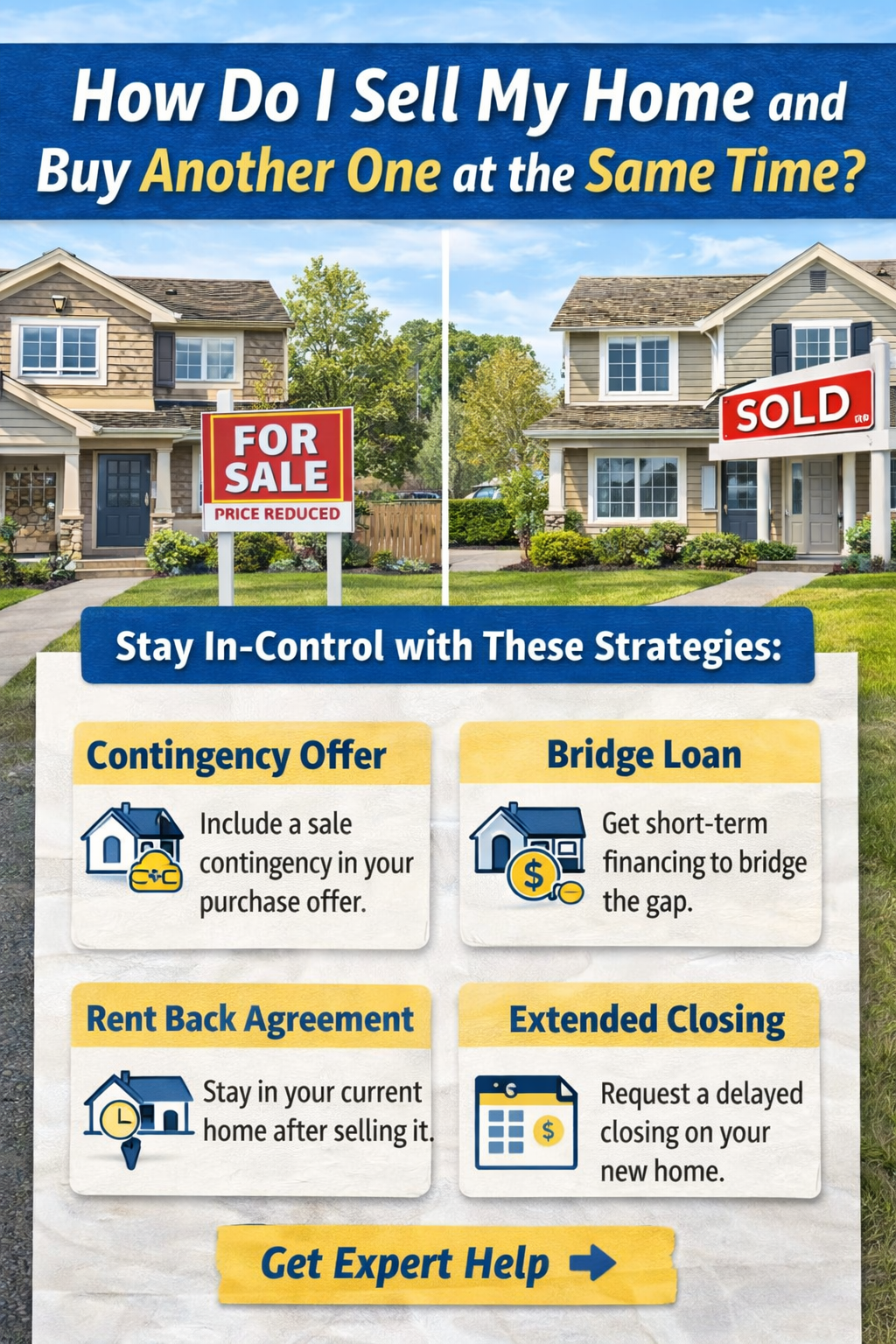
5) Can I buy my next home before selling my current one? Yes, with the right financing structure. Bridge loans, HELOCs, or retirement account loans can supply temporary funds, then be paid off at closing. We map cash flow, debt-to-income, and rate scenarios, then craft a purchase that may include a rent-back or extended closing. That way you avoid a rushed sale and still secure your next home.
6) What if offers are coming in but below my expectations? There is usually a gap between buyer perception and either your price or your story. We tighten the story by addressing objections through repairs, warranties, or credits, and by reframing standout features. If market data supports your number, we keep negotiating. If not, a small price refinement timed with renewed marketing can bring your best buyers back.
7) How does the broader economy affect my chances today? Prices track supply, demand, incomes, and mortgage rates. Nationally, home values have remained resilient according to the FHFA House Price Index, while sales volumes shift with affordability trends shown in NAR statistics. Locally, Arlington Heights benefits from strong schools, Metra access, and tight inventory, which support values when the home is positioned correctly.
Conclusion
The bottom line If your home does not sell right away, you have options. In Arlington Heights, many listings succeed after a precise recalibration of price, presentation, and marketing. A smart relaunch plan reintroduces your home to the right buyers, and creative timing tools like rent-backs, bridge financing, or down payment assistance on the buy side can keep your move on schedule. If you are ready to talk strategy, I will show you How to sell a house in Arlington Heights while protecting your equity and targeting the highest sales price for my home outcome.
Written by Mike Zapart — full-time real estate agent specializing in Arlington Heights and Northwest Suburbs of Chicago. Experience: $200+ M sold, certified negotiations expert, Compass Real Estate | License #475.145813
Call or text 224-715-8778
Or check out my YouTube channel with videos about moving to the suburbs https://www.youtube.com/@movingtochicagosuburbs